
The Dark Imp Blog
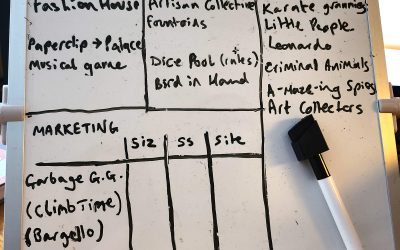
Are you a scuba diver or a snorkeller?
When listening to an interview with Obi Felton, who used to work at Google X, she described the moment when someone said to her: “You are just in the wrong job for you because there’s some people who are scuba divers, they love to go deep, and there’s some people who...
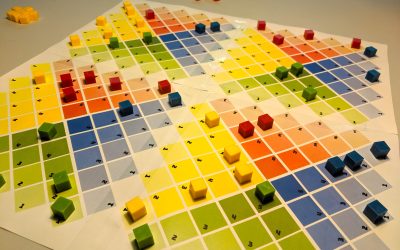
When to abandon a game you’ve designed
Not every game you make will be brilliant. But as designers, we are very invested in our own work and often find it hard to be objective. After pouring time and energy into a game design, it’s hard to say goodbye. So when is the right time to permanently abandon a...
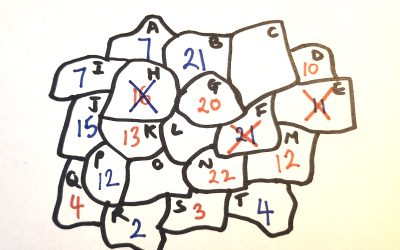
Aggression: A pencil & paper area control game
Area control is one of my favourite board game mechanics. I love the visual spacial nature of these strategy games. From classics like El Grande and Carcassone to Through the Desert, Iwari and Imhotep, I can’t get enough of them. The most well known example is...
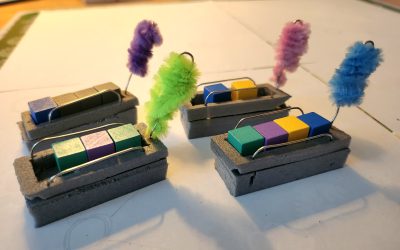
Making board game prototypes
At any one time, I’m working on lots of games. At the time of writing, I have 5 in early design stages, 7 that are somewhere in the development-playtesting cycle and 30+ that I’m actively pitching. (I also have around 50 abandoned games that made it past initial...
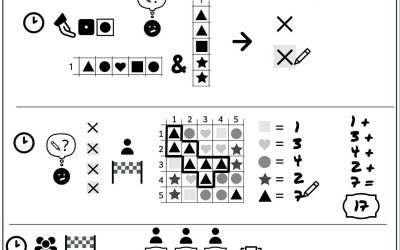
Creating Language Independent Rules
I recently set myself the challenge of designing a game that could be taught entirely with language independent rules. I dived in with overconfidence, thinking I’d be done by lunchtime. I settled on the game quickly - a simple roll & write. The game should be...
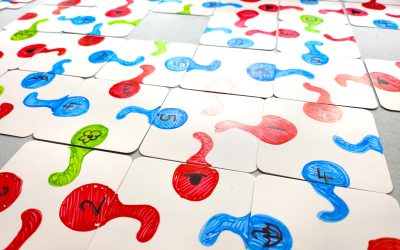
Why you shouldn’t avoid playtesting
Love it or hate it, playtesting is an absolutely vital part of game development. It’s tempting to sit in your room, polishing a game and trying to solve all the problems (and potential problems) before you ever put it in front of someone. But this is crazy. Games are...
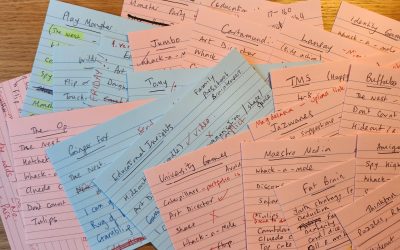
Mojo Pitch: An inventor’s guide (Part 3: The Follow Up)
This is the final part of a three-part blog. In Part 1: Before the Pitch, I talked about how to prepare for a big pitching event like Mojo Pitch. And in Part 2: The Pitch, I cover the pitch itself. You might find it useful to read those posts before this. Follow up...
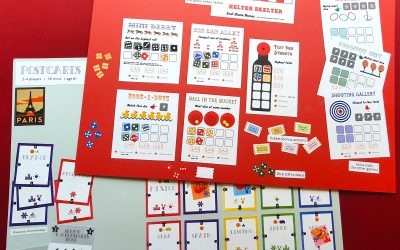
Mojo Pitch: An inventor’s guide (Part 2: The Pitch)
This is part 2 of a three-part blog. In Part 1: Before the Pitch, I talked about how to prepare for a big pitching event like Mojo Pitch. You might find it useful to read that post before this. Part 3: After the Pitch is the final installment.What you can expect Mojo...
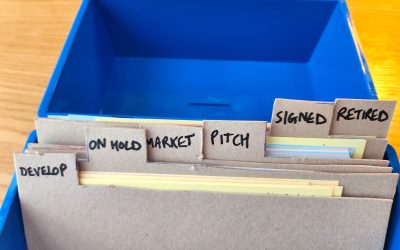
Mojo Pitch: An inventor’s guide (Part 1: Before the Pitch)
Mojo Pitch is over, for another year and now (most of) my follow up is complete, I thought I’d take the opportunity to reflect on this bonkers but brilliant event. I’m doing this in a set of three blog posts. Before the pitch (that’s this one) The pitch After the...

Scoring in Party Games
This article was written following discussions on the topic with members of the London Friday Daytime Playtest UK group. It’s often hard to create scoring systems for party games. This may seem counterintuitive because party games are usually very simple. By their...
The Six Working Geniuses
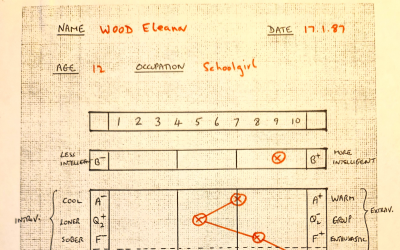
I’ve always been interested in personality testing. My Dad set up a career consultancy company in the late 80s. He administered personality tests to individuals - like the 16PF and the Myers Briggs - and then discussed the implication of the results in relation to...
Why you need to stop worrying about protecting your idea
I offer 30-minute free consultations to new game designers. The most common burning question I’m asked is “How do I protect my idea?” My response is “You can’t… And more to the point, you don’t want to.” Let me explain. You can’t protect gameplay It’s not possible to...